


- RISEPORT EUROPE has completed the final design review of its ARGOS APS passive counter-drone system, which uses AI-assisted acoustic and optical sensor fusion instead of radar.
- The system pairs detection with a kinetic interceptor and is intended as a last-line protective layer that integrates with mobile air-defense units.
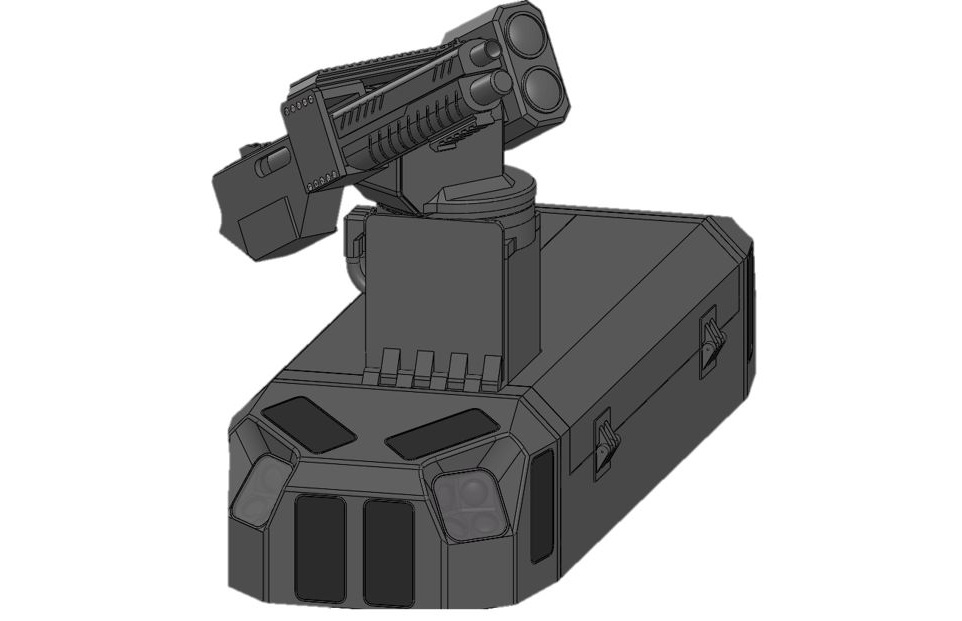
A German defense technology company has announced the completion of the final design review for the sensor module of its ARGOS APS drone defense system, presenting the platform as a compact, mobile counter-UAV solution designed for battlefield environments where concealment and survivability matter as much as detection.
RISEPORT EUROPE said the ARGOS APS is being developed with passive, AI-assisted sensor fusion that combines acoustic and optical tracking, instead of radar-based detection. In its announcement, the company stated that avoiding radar is intentional, as emitting signals would increase the likelihood of the system itself being detected and targeted.
According to the company, the system uses a layered approach that links its passive detection suite with a kinetic interceptor module. This configuration is intended to detect and neutralize small drones — including those that do not emit radio frequency signatures — while keeping the defending unit hidden from enemy counter-battery strikes.
The company described ARGOS as a “last-line protective layer” for soldiers in situations where traditional air defense assets are either unavailable or insufficient. The system is planned to integrate with existing mobile air defense platforms already fielded by the Bundeswehr.
RISEPORT EUROPE said the cost structure is central to the program’s intent. The firm noted that the system is being developed to reach a target price below 100,000 EUR ($115,000) per unit, with the goal of making widespread fielding financially realistic.
The company stated that it sees this as an effort to reverse what it called the cost imbalance of drone warfare, where inexpensive attack drones often force defenders to rely on far more expensive interceptors.
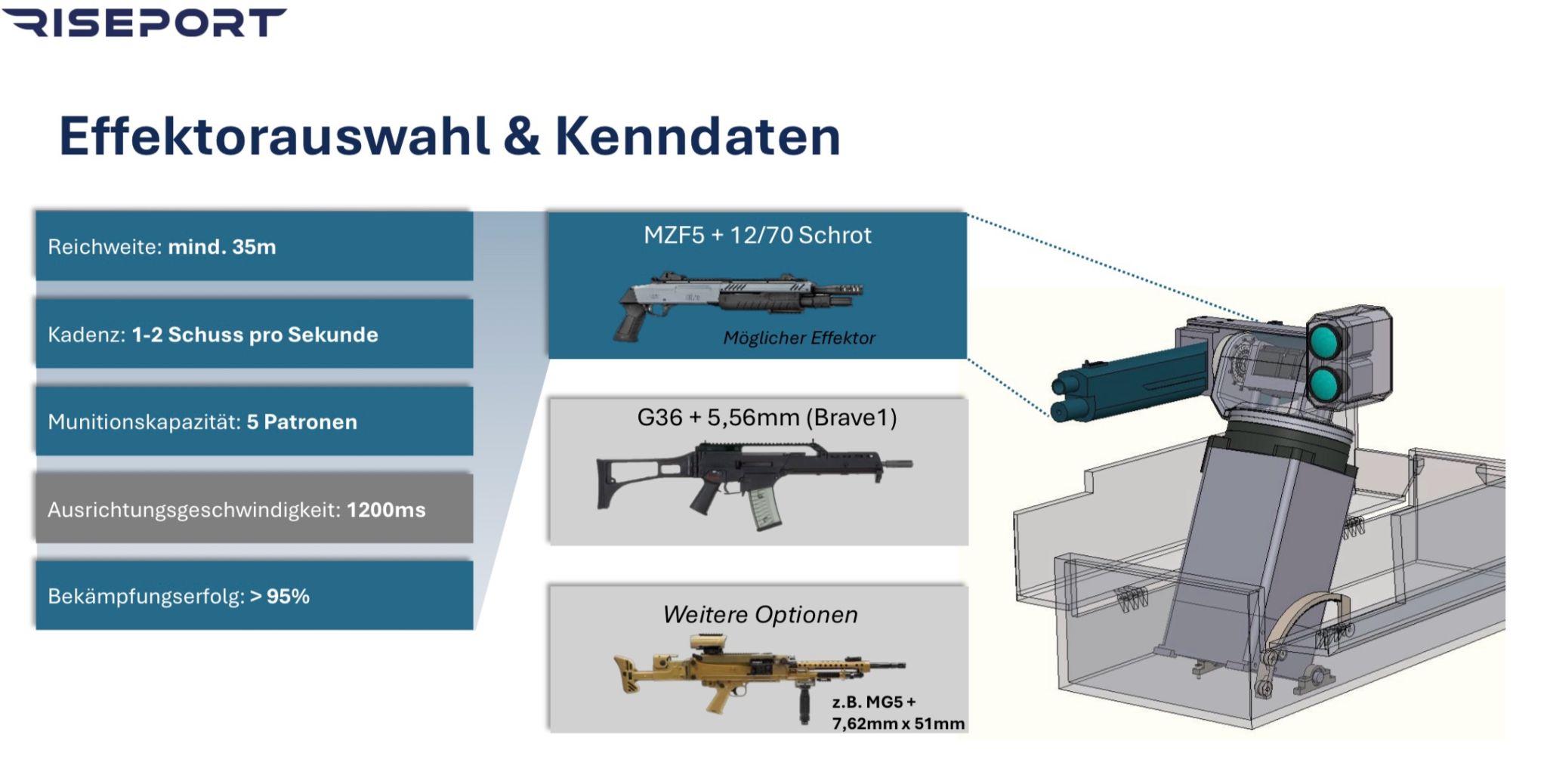
In a statement, the company said the new system is meant to ensure that counter-drone defenses can be deployed at scale across frontline units, rather than reserved for limited high-value assets. The firm also emphasized that ARGOS is being shaped with direct feedback from active personnel, saying the system is being developed “by soldiers, for soldiers.”
The ARGOS approach illustrates a trend toward distributed, passive, lower-cost air defense tools intended to protect infantry and maneuver units under real combat conditions. Systems that avoid radar emissions and reduce exposure to counter-attack are increasingly seen as essential in contested environments where units must remain mobile and hidden.
As mass drone use continues to reshape battlefield dynamics, solutions that are affordable, concealable, and easy to field at scale are becoming a priority across NATO.