


Bell, part of American conglomerate Textron, has released a 1:01 minute video animation of its new helicopter that develops for the U.S. Army’s Future Attack Reconnaissance Aircraft (FARA) competition.
The animation shows that the new Bell 360 Invictus helicopter offers exceptional speed and agility to perform in the highly contested battlespace.
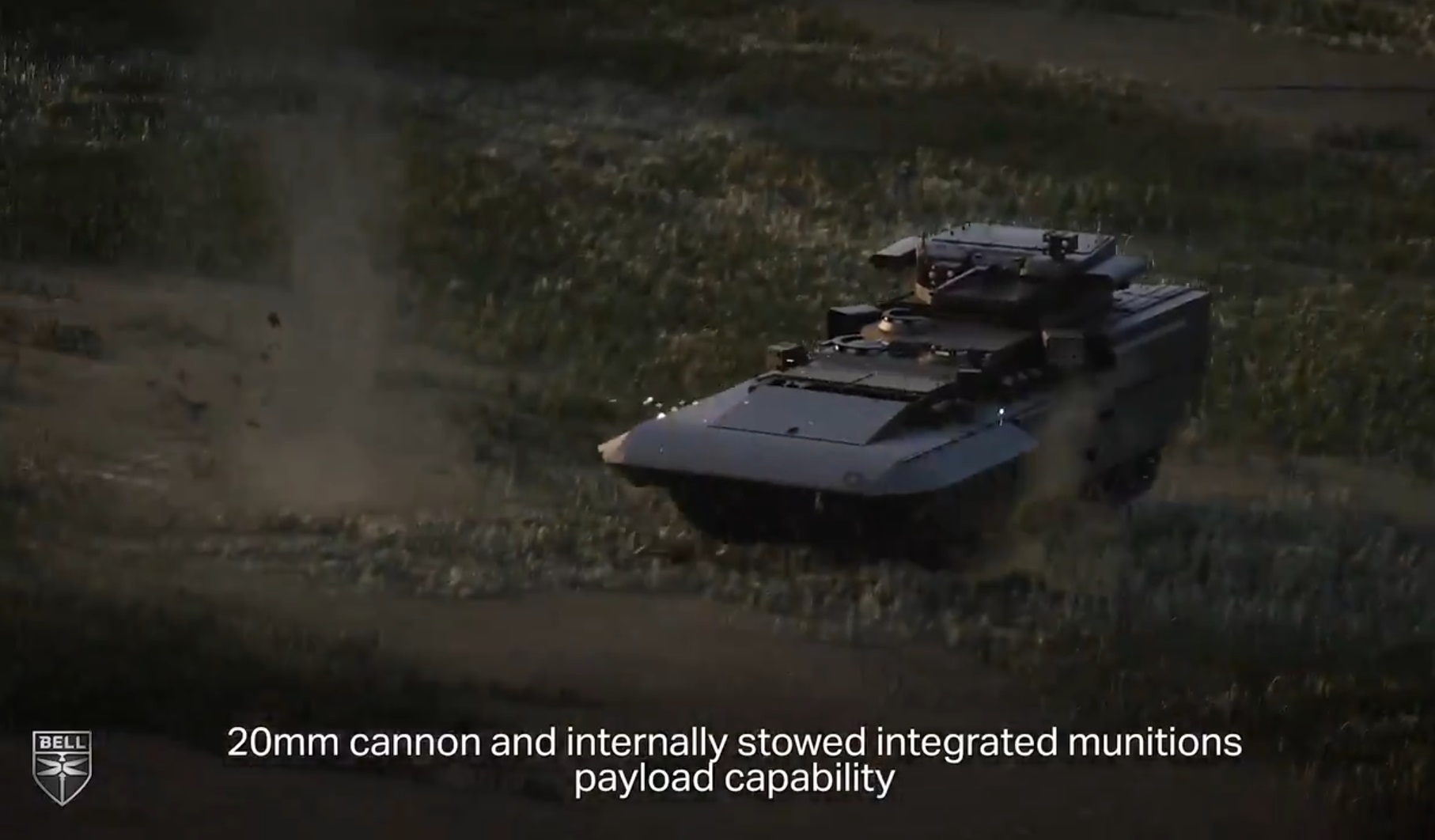
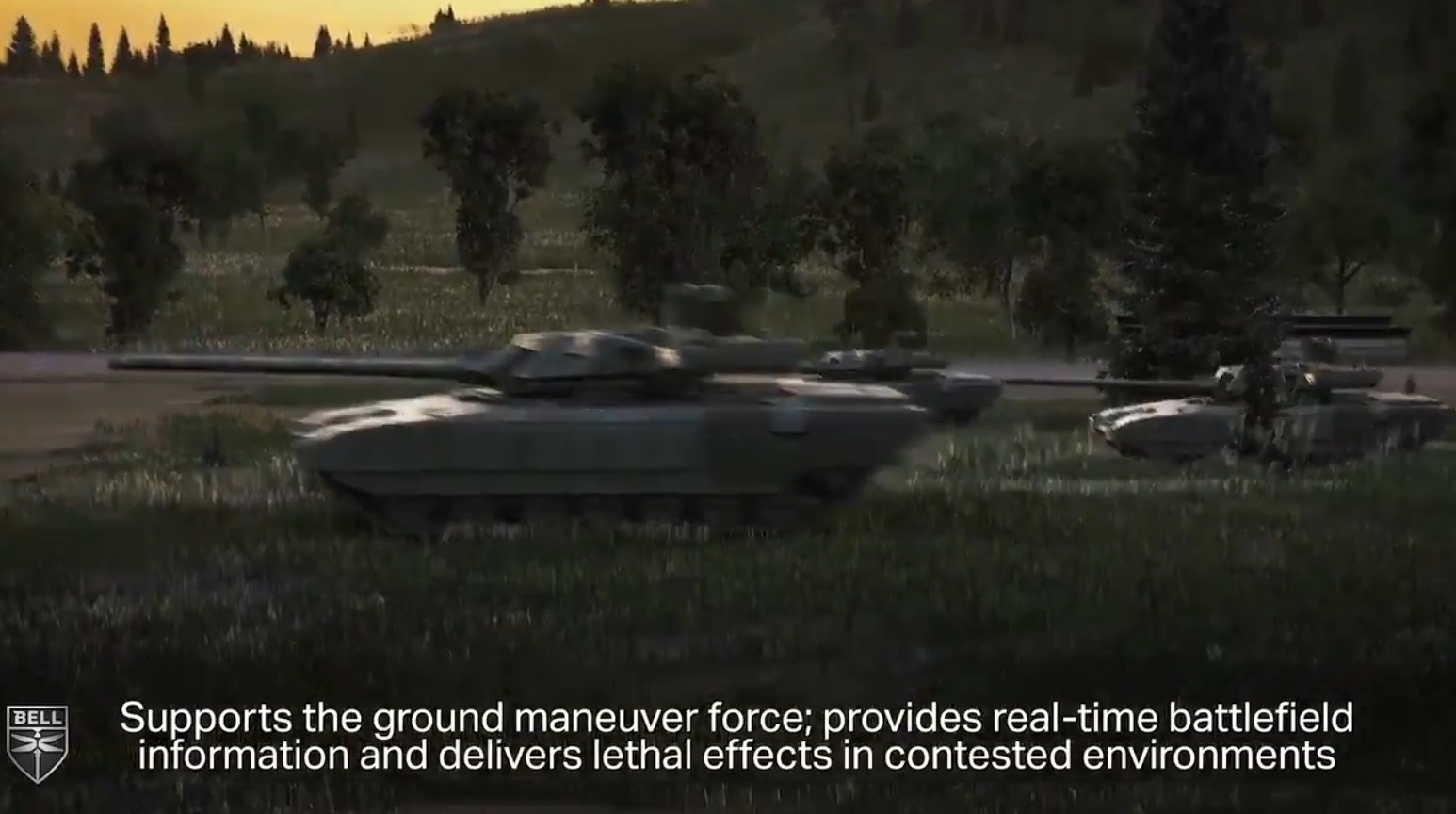
Showcasing the Invictus’ combat capabilities, the video goes on to show animated footage of the helicopter attacking enemy targets, including the newest Russian-made T-14 main battle tanks and T-15 heavy infantry fighting vehicle based on the Armata heavy tracked standardized platform.
The new Russian T-14 tank was shown to the public for the first time at Red Square’s Victory Day parade on May 9, 2015. The new combat vehicle features fully digitized equipment, an unmanned turret and an isolated armored capsule for the crew.
The deliveries of the armor based on the Armata combat platform to the troops for operational evaluation will begin this 2020, according to CEO of the Uralvagonzavod defense manufacturer Alexander Potapov.
“In 2020, we will begin the deliveries for the operational evaluation of this armor. During the factory tests, all the vehicle’s stated characteristics were confirmed,” the chief executive said.
As to the Bell 360 Invictus, the aircraft is designed for speed, with the Army calling for a cruise speed of 180 knots, and a maximum of 205 knots. With this in mind, every element of the Invictus has been chosen to reduce drag as much as possible, including its tandem cockpit. This, combined with its high-speed rotor, with a design borrowed from the upcoming 525 Relentless super medium civil helicopter (which has gone above 200 knots in flight tests), has Bell confident it can meet the Army’s requirements.
This advanced aircraft will have a transformative impact through next-generation flight performance, increased safety and greater operational readiness—all to deliver decisive capabilities.
It’s also worth noting that Invictus aircraft a maximum rotor diameter of 40 feet, allowing it to sneak down city streets and hide behind small obstacles.
Also, the Bell 360 Invictus supports a 20mm cannon and internal payload that features an integrated munitions launcher to accommodate current and future ordnance. The combination of advanced sensors and air-launched effects elevates situational awareness and increases lethality across the multidomain spectrum.
The #Bell360 Invictus offers exceptional speed and agility to perform in highly contested battlespace.#ArmyModernization #FVL #FARA pic.twitter.com/sVXu1Fz1hw
— Bell (@BellFlight) February 24, 2020