


U.S. Central Command and the Egyptian armed forces held Bright Star 25, a multinational exercise widely recognized as one of the largest in the world. The event began with a formal ceremony at Mohamed Naguib Military Base, Egypt, on August 28, and has since advanced into full-scale drills involving forces from across the globe.
According to U.S. Central Command, Bright Star 25 demonstrates the United States’ commitment to work alongside Egypt and partner nations to strengthen collective security and ensure regional stability. The exercise has grown since its inception in 1980 into a global training event, now bringing together NATO allies, Middle Eastern partners, and militaries from Africa and Asia.
This year over 40 nations participated, underscoring the exercise’s growing global relevance. Approximately 1,800 U.S. military personnel join forces with their counterparts in training events that cover a wide spectrum of operations, including conventional and irregular warfare, command post exercises, field training, and combined joint task force planning.
The U.S. military described Bright Star 25 as an exercise that “showcases our unified resolve and ability to respond to evolving challenges together.”
A release added that such partnerships “build lasting capacity, improve interoperability, and send a clear message of deterrence to those who threaten our partners and regional peace and stability.”
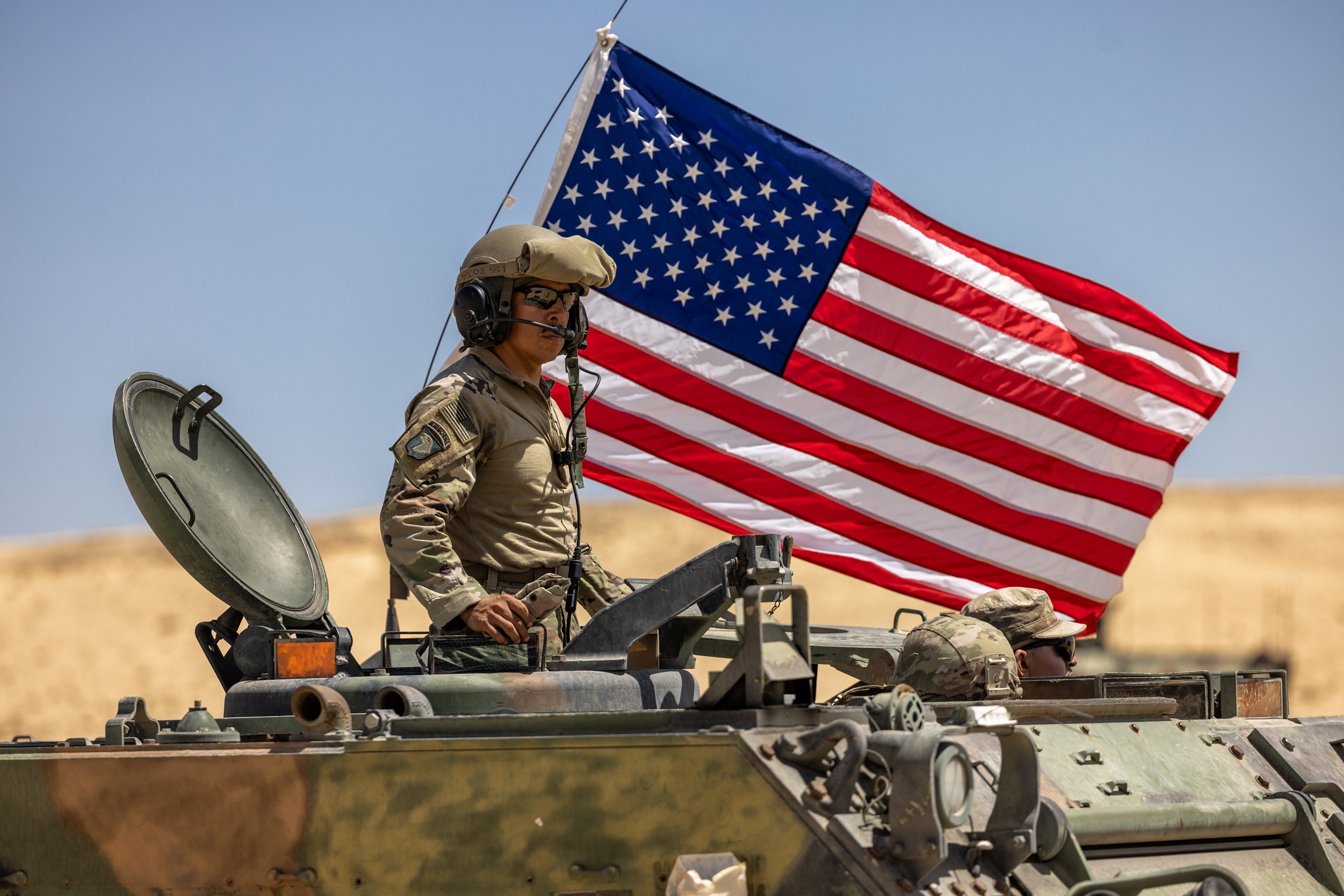
The U.S. said the multinational nature of Bright Star highlights a shared determination to counter emerging threats while refining the ability of allied and partner forces to operate together in contested environments.
For Egypt, the exercise highlights its role as a regional defense hub and a long-standing security partner of the United States. For Washington, it underscores an enduring commitment to collective defense in the Middle East amid ongoing instability and regional conflict.
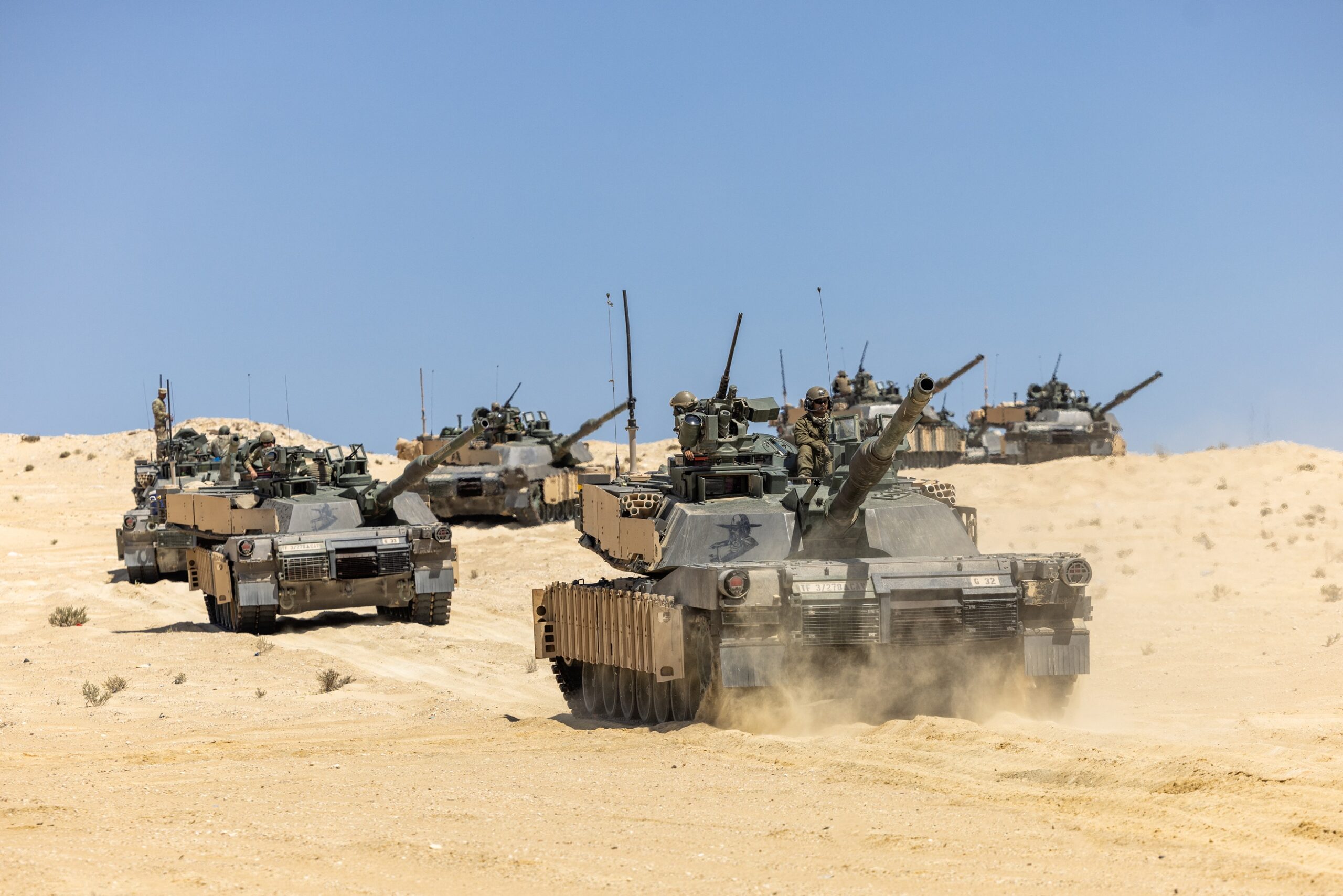
As Bright Star 25 unfolds, the message from both Washington and Cairo is clear: allied readiness, strengthened partnerships, and deterrence remain central to maintaining stability in an increasingly unpredictable security environment.