


Russia has sharply increased its production of Garpiya-A1 attack drones despite Western sanctions, according to documents reviewed by Reuters and cited by European security officials.
The documents show that Izhevsk Electromechanical Plant Kupol (IEMZ Kupol), a sanctioned Russian defense manufacturer, boosted its annual output of the Garpiya-A1—Moscow’s domestically produced version of the Shahed-class drone—from 2,000 units in 2024 to over 6,000 units projected for 2025. The jump was made possible by a steady supply of Chinese-made L550E engines, the documents reveal.
An internal Kupol report obtained by Reuters confirms that the company had signed a contract with the Russian Ministry of Defense to deliver more than 6,000 drones by the end of this year. More than 1,500 units had already been delivered as of April.
The documents, which include customs declarations, invoices, and supply contracts, suggest that the Russian military is on track to receive hundreds of these long-range drones monthly. Ukraine’s Defense Intelligence Directorate, in a statement to Reuters, said Russia is currently deploying around 500 Garpiya drones per month to strike targets deep within Ukrainian territory.
The Garpiya-A1 is designed to strike at both civilian and military infrastructure and is functionally comparable to the Iranian Shahed-131 and -136 drones, which have been widely used by Russia throughout its war on Ukraine. By leveraging Chinese components, Moscow appears to have successfully circumvented portions of the sanctions intended to degrade its UAV manufacturing base.
Despite this production surge, the Ukrainian Armed Forces have managed to inflict setbacks on Russian drone infrastructure. On July 1, Ukraine conducted a successful strike on Kupol’s production facility in Izhevsk, Udmurtia. According to open-source reports from ASTRA, Russian authorities acknowledged that two Ukrainian drones penetrated the plant’s defenses.
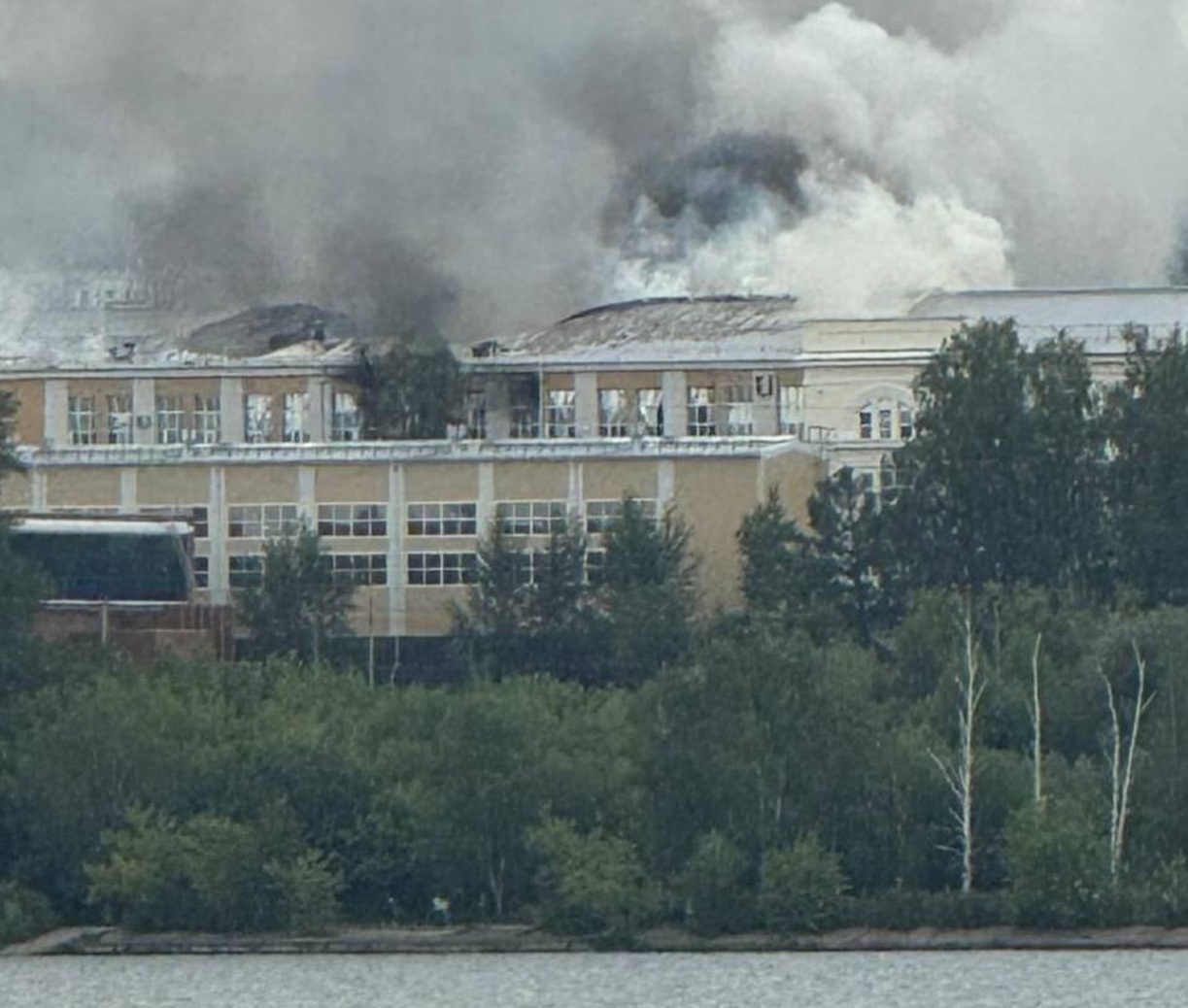
One UAV reportedly struck directly through a window of production building No. 106, while another hit the roof of building No. 110. The resulting fire led to a partial roof collapse covering 1,300 square meters, which temporarily halted Kupol’s drone production line.
The Shahed-type drone program remains a strategic priority for the Kremlin, offering Moscow a relatively low-cost method of sustaining pressure on Ukrainian infrastructure and civilian populations. The drone’s increased availability—paired with Russia’s extensive use of swarm tactics—is part of a broader effort to stretch Ukraine’s air defense capacity and exploit gaps in coverage.
The Chinese-manufactured L550E engines powering the Garpiya are believed to have entered Russia through indirect routes, according to the European officials familiar with the matter. While China has denied direct involvement in supplying lethal aid to Russia, Western intelligence agencies have previously tracked dual-use components reaching Russian entities through third countries and cut-outs.